Product Introduction
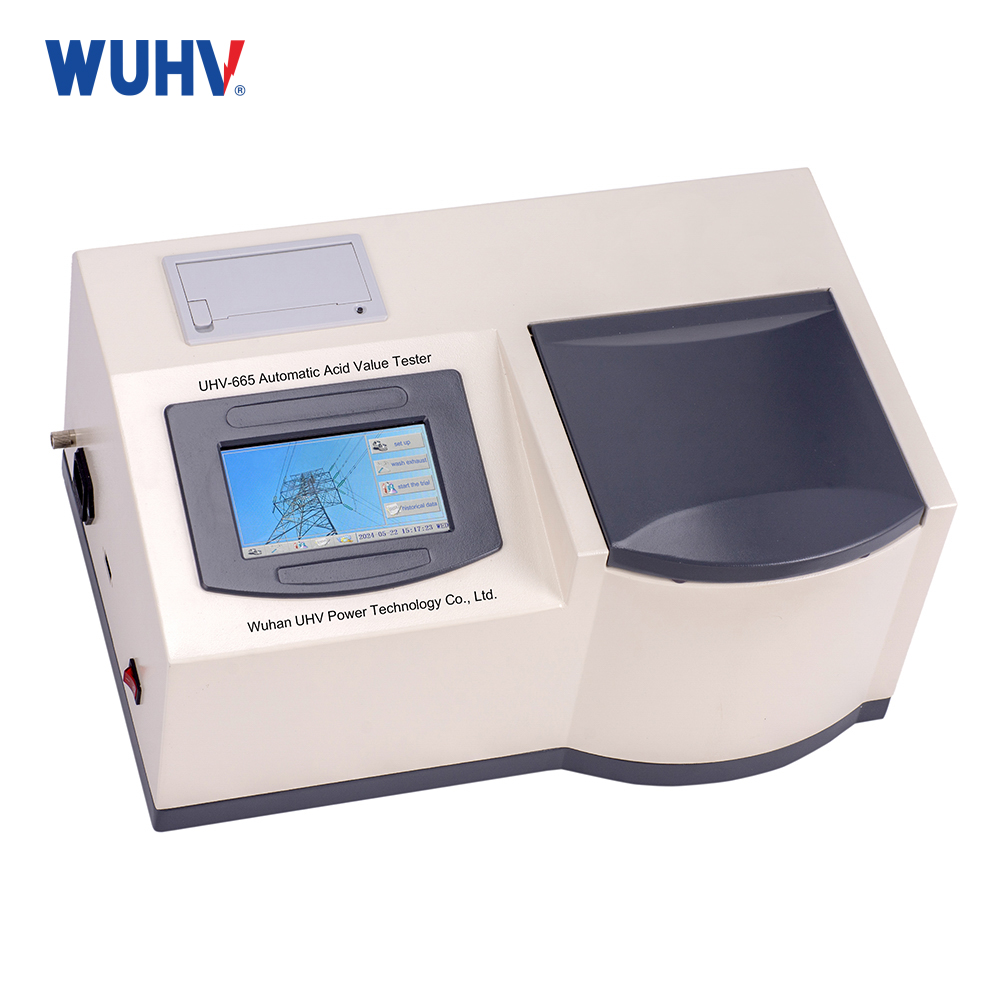
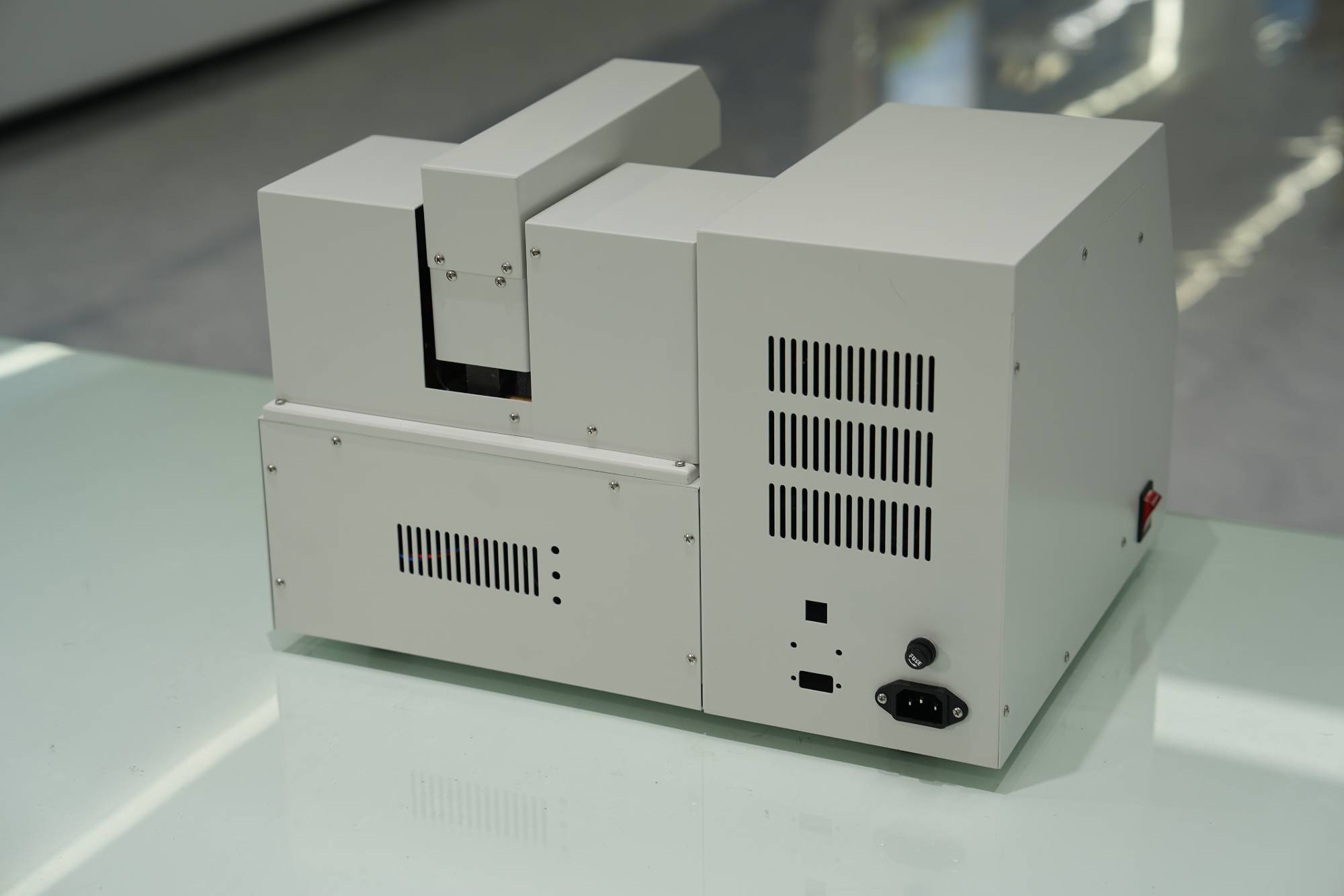
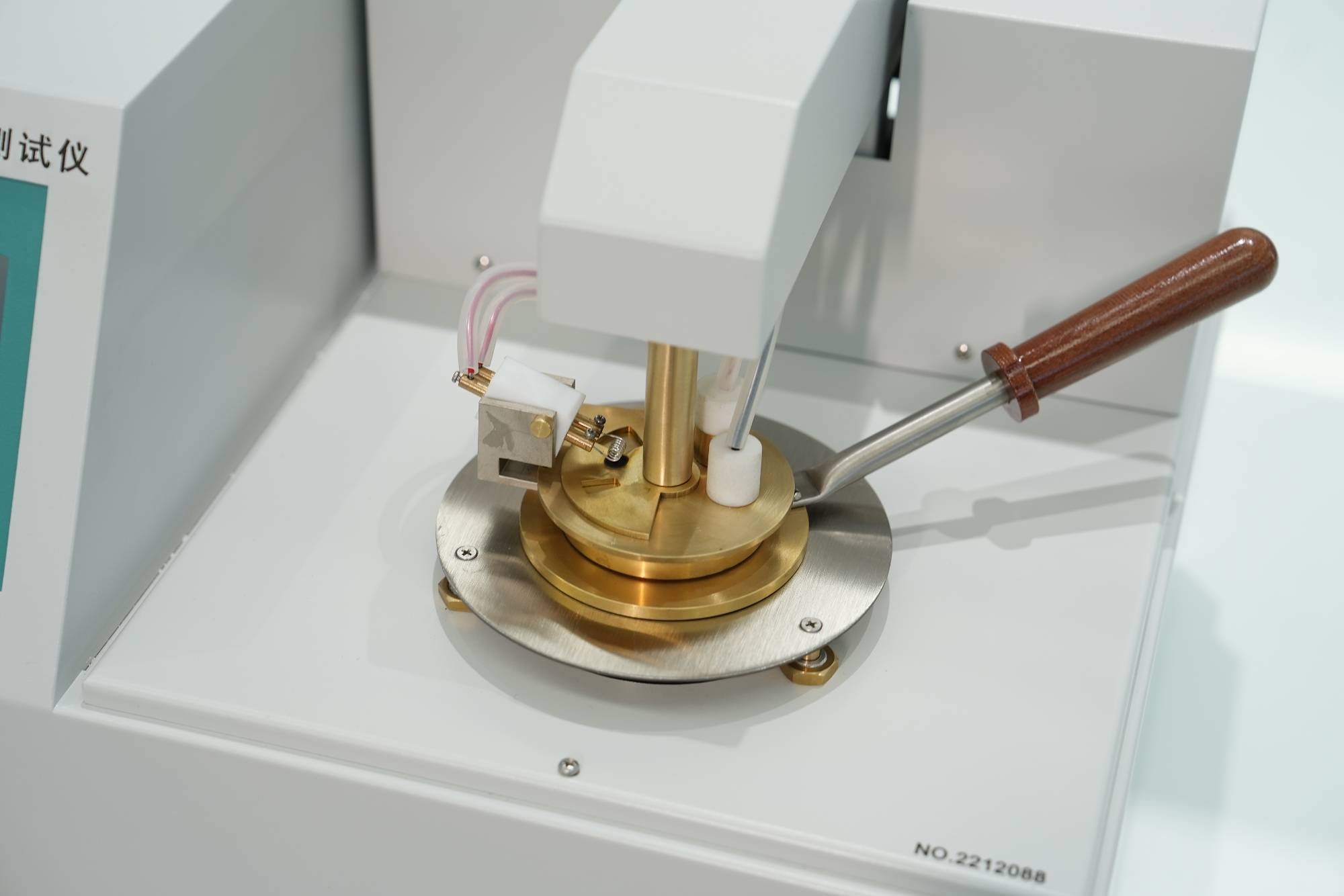
The fully automatic closed flash point tester is primarily designed to measure the closed flash point of petroleum products. Equipped with an ARM microprocessor, a color LCD resistive touch screen, and a Chinese-language menu interface, the instrument offers highly intuitive human-computer interaction.
It features power-off data storage, automatic ignition, real-time display, result locking and printing, automatic cooling, and atmospheric pressure correction. The brightness of the igniter is externally adjustable, ensuring precise control.
With advantages such as high measurement accuracy, excellent repeatability, reliable performance, and user-friendly operation, this instrument is widely used in power, petroleum, chemical, inspection, and research sectors. It complies with the standard methods of ASTM D93 and GB/T 261-2008.
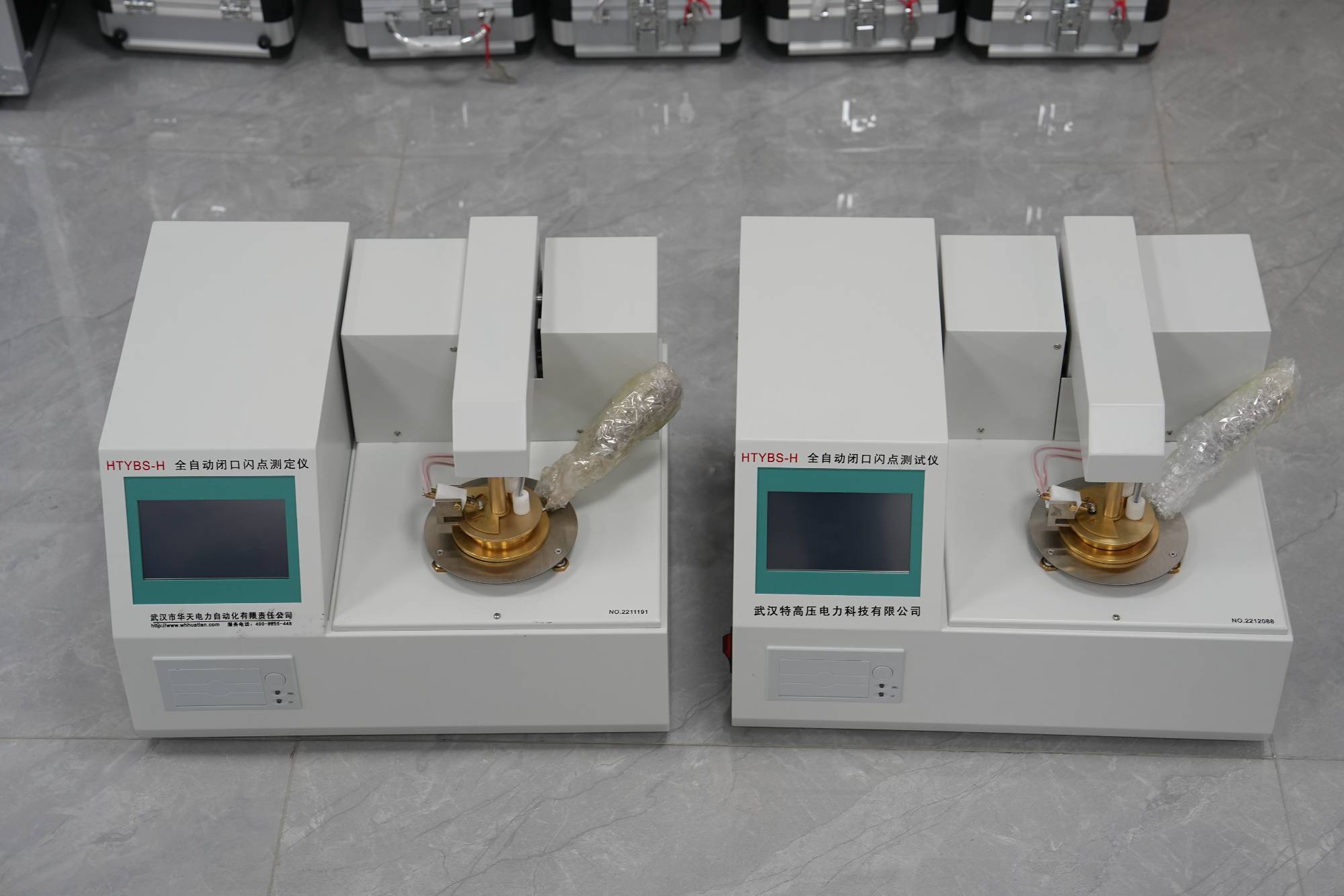 | 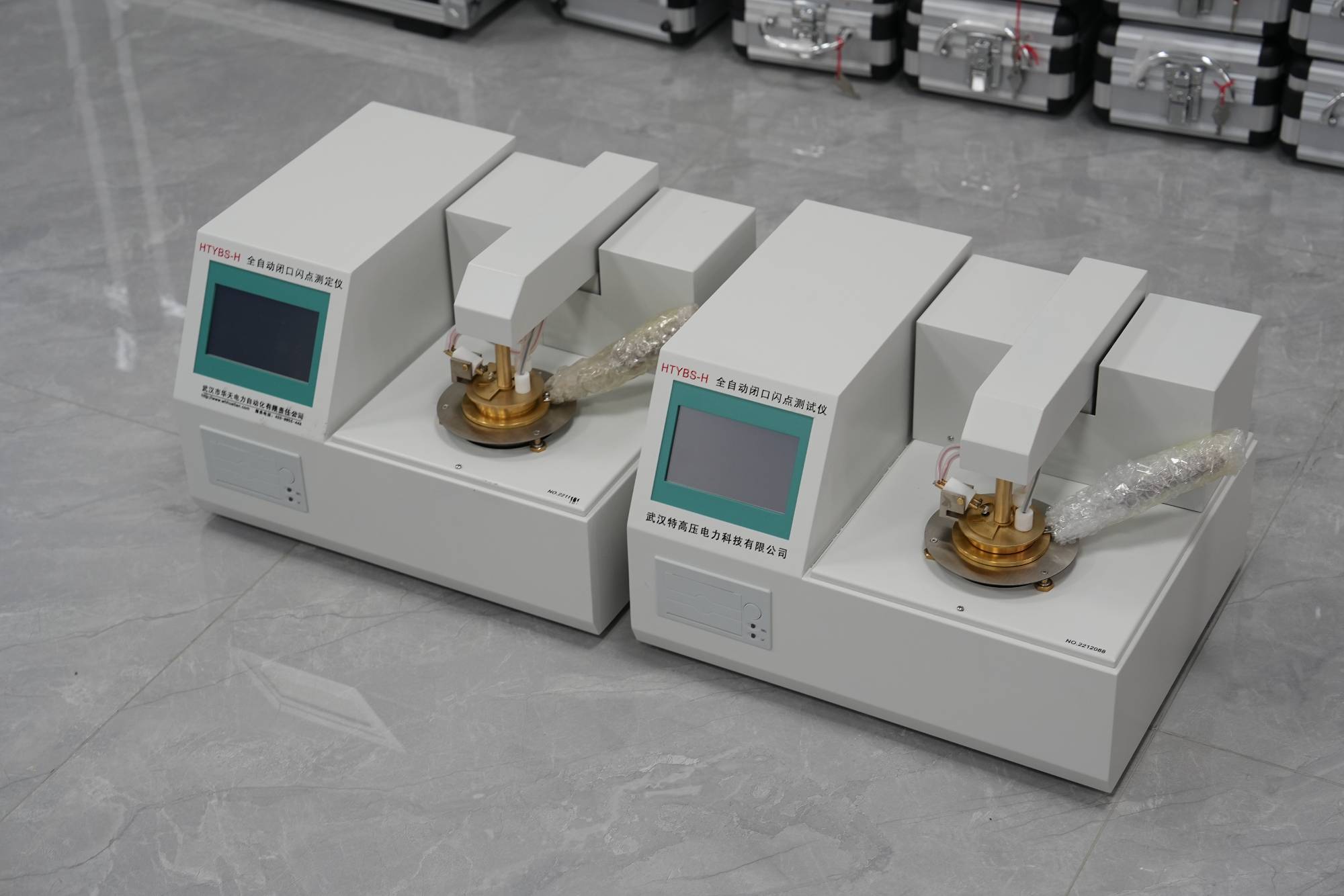 | 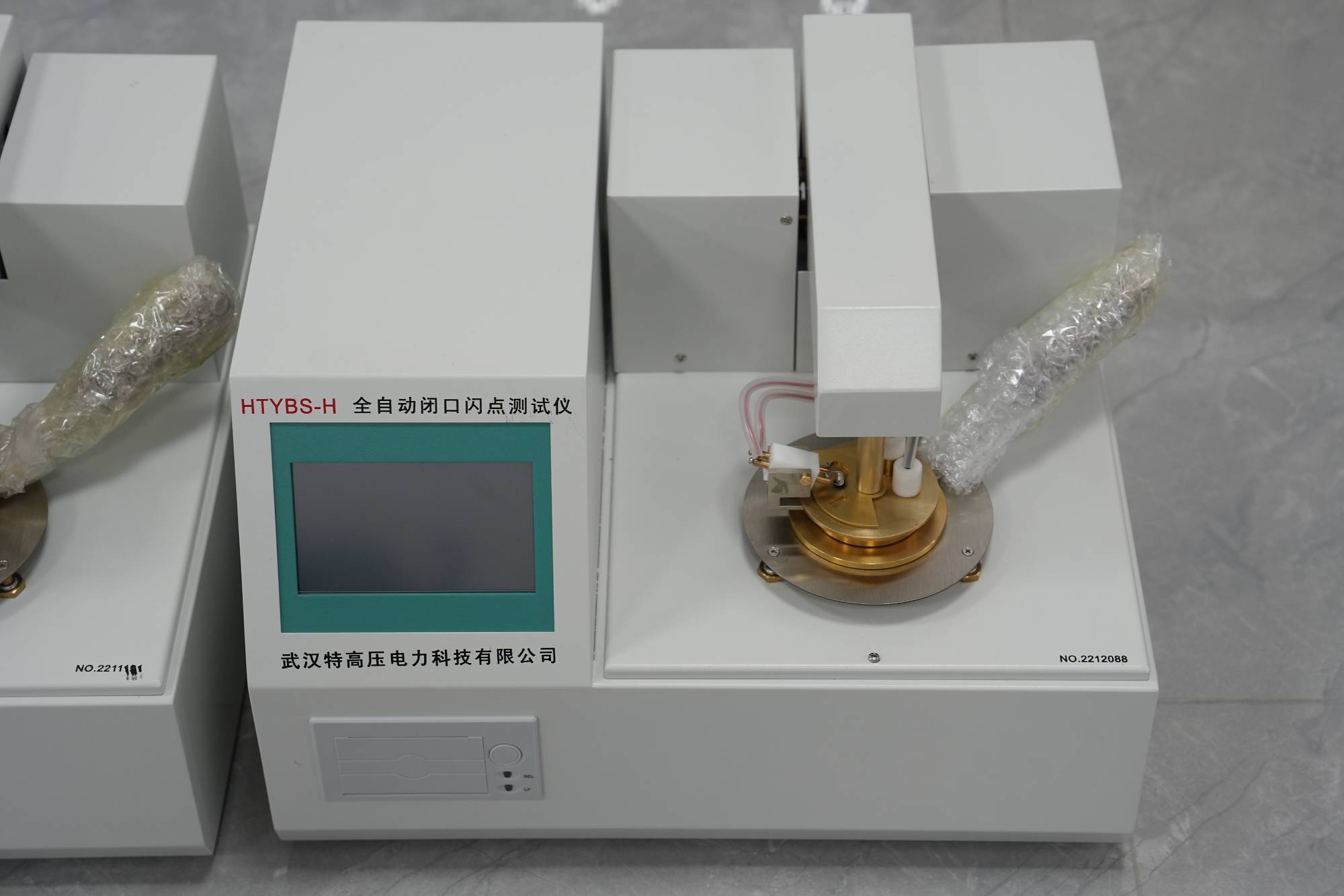 |
Mga teknikal na parameter
| Pagpapakita | Color LCD display |
| Operating mode | Touch Screen |
| Saklaw ng pagsukat | Room temperature~350 ℃ |
| Pagtuklas ng temperatura | platinum |
| Pag-uulit | >110℃±2℃ ;≤110℃±1℃ |
| Paraan ng pag-aapoy | electric ignition |
| Imbakan ng impormasyon | Can store 1000 analysis results |
| Paraan ng paglamig | Forced air cooling |
| Printer | Thermal Printer |
| Pag-uulit | Comply with ASTM, D93, GB/T 261 standards |
| Power supply | alternating current 220V±11V,50Hz±2.5Hz |
| kapangyarihan | ≤350VA |
| Operating ambient temperature | 10 ℃~35 ℃ |
| Operating environment humidity | ≤85% |
Advantages
1. High degree of automation
Automatically complete the entire process of heating, stirring, ignition, temperature detection, and result judgment, reducing human intervention.
Support one click start, easy to operate, reducing the technical requirements for operators.
2. High testing accuracy and good repeatability
Adopting high-precision temperature sensors and intelligent control algorithms to ensure accurate and reliable test data.
Compliant with international standards, the results are comparable and authoritative.
3. Strong security
The fully enclosed testing environment effectively prevents the leakage of volatile gases and reduces the risk of fire or explosion.
Multiple security protection mechanisms (such as over temperature alarm, automatic fire extinguishing, gas path self inspection, etc.).
4. High efficiency and time-saving
Short testing cycle, supporting continuous multi batch testing.
Some models have automatic cleaning and cooling functions to improve throughput.
5. Convenient data management
Built in storage or computer connection, it can automatically record and export test data for easy traceability and analysis.
Support printing reports, electronic signatures, and other functions to meet the requirements of laboratory informationization.
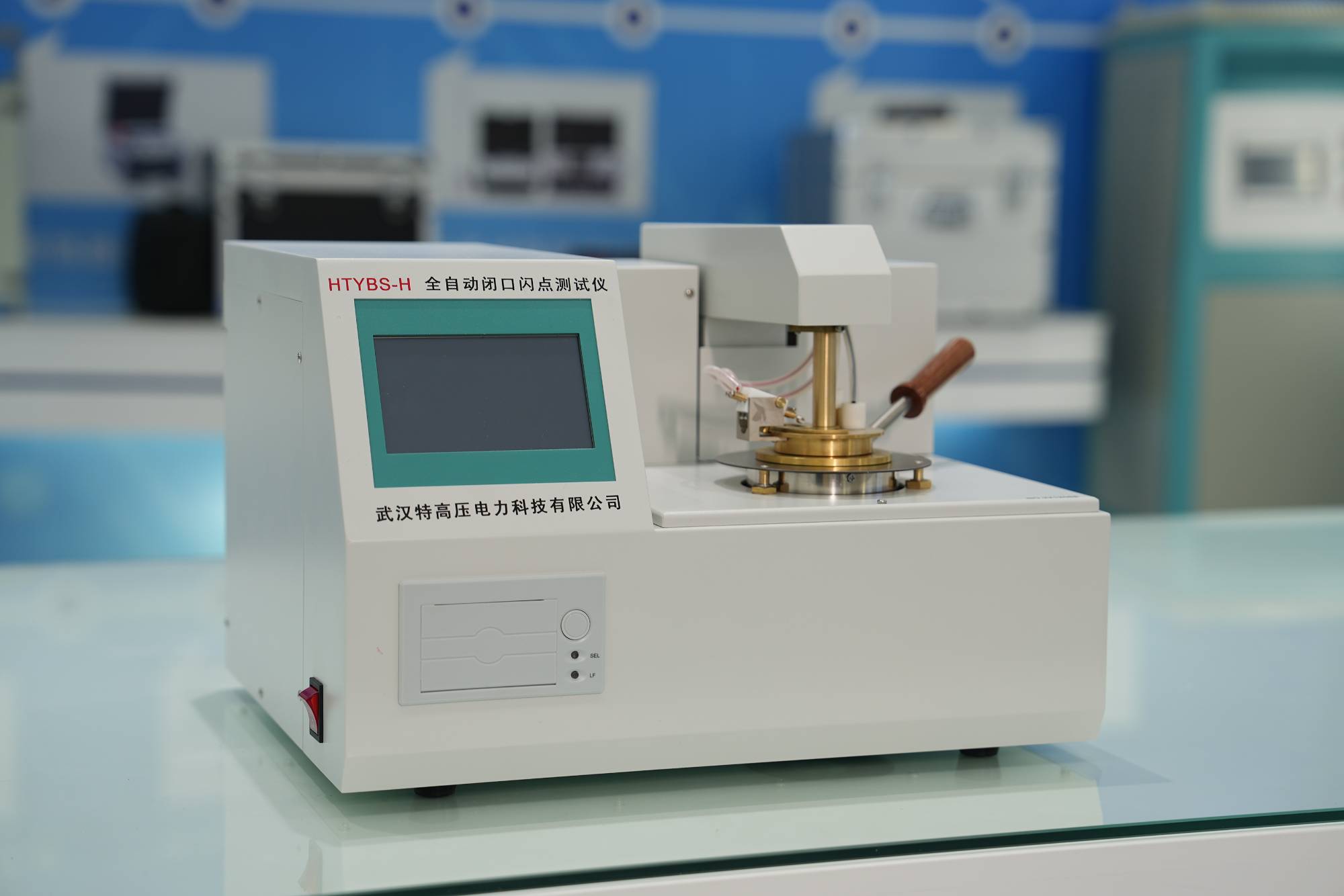 |  |  |
Application Fields
1. Petrochemical industry
This is the core application area of the instrument, used for the production, storage, and factory quality control of petroleum products. Factory inspection: Ensure that the flash point of the product meets national standards to prevent unqualified products from entering the market. Storage safety: Determine the presence of light components in the oil by flash point to prevent fires caused by high temperatures during storage.
2. Chemical industry
Assess the flammability of various organic solvents, chemical raw materials, and finished products to ensure production and transportation safety. Production process monitoring: To avoid fires or explosions in the reaction vessel caused by abnormal flash points of raw materials. Dangerous goods classification: Classify chemical products into flammable levels based on their flash point values, and guide the development of packaging and transportation plans.
3. Energy sector
Used for safety and quality verification of new energy liquids, especially for alternative fuels. Quality control: Ensure that the flash point of the new fuel meets the requirements of combustion equipment, while avoiding the risk of use caused by a low flash point. Research and development testing: In the development of new energy formulas, optimize the proportion of ingredients through flash point data.
4. Transportation industry
Focus on safety testing of vehicles, fuel and related auxiliary fluids to ensure safe operation. Fuel compliance inspection: Prevent the use of fuel with an unqualified flash point to prevent safety accidents during engine operation. Dangerous goods transportation acceptance: Conduct flash point sampling on the transported flammable liquids to ensure compliance with road or waterway transportation safety regulations.
5. Power industry
Mainly used for monitoring the performance of insulation oil in power equipment to ensure stable operation of the equipment. Judgment of oil quality deterioration: If the flash point of insulating oil decreases after long-term use, it may indicate the presence of impurities or decomposition products in the oil, and should be replaced in a timely manner to prevent equipment breakdown or fire. Regular maintenance and testing: Regularly test the flash point of insulation oil according to the standards of the power industry to prevent equipment failures.
6. Aerospace field
Used for high-precision flash point detection of aviation fuel and related hydraulic and cooling fluids, meeting strict safety requirements. Fuel purity control: The flash point of aviation fuel directly affects the safety of the aircraft fuel system, and abnormal flash points caused by impurities or moisture need to be eliminated through testing. Component lubrication verification: Ensure that the flash point of hydraulic oil and lubricating oil meets the usage standards in high-altitude and low-temperature environments.
7. Research and quality inspection institutions
As a core equipment for third-party testing or scientific research experiments, it provides flash point data support. Product quality arbitration: Conduct flash point retesting on disputed liquid products and issue legally binding testing reports. Standard method validation: Participate in the formulation and revision of national or industry flash point testing standards, and validate the accuracy of testing methods.
Frequently Asked Questions
Q1: What is a closed flash point? What is the difference between open flash point and flash point?
The closed flash point is the flash temperature measured in a closed container, while the open flash point is measured in an open container. The closed flash point of the same oil is usually lower than the open flash point (the difference between the two depends on the sample composition and volatility), because steam accumulates faster under closed conditions. In engineering applications, closed flash point is more commonly used for product specifications and quality control, while open flash point is more commonly used to evaluate the fire hazard under usage conditions.
Q2: How long does it take to test once?
It depends on the expected flash point of the sample. A complete testing cycle takes approximately 25-40 minutes. The lower the flash point of the sample, the shorter the testing time. The forced air cooling system automatically starts after the judgment is completed, accelerating the cooling of the instrument for continuous testing.
Q3: What types of samples can the instrument detect?
Including but not limited to: diesel, kerosene, lubricating oil, transformer oil, thermal oil, solvent oil, coatings, adhesives, cleaning agents, etc. Not applicable to samples with high moisture content (moisture can affect flash point determination), and samples with flash points below room temperature (such as gasoline) require the use of low-temperature closed flash point testing method.
Q4. How accurate and reproducible are the test results?
The instrument adopts high-precision temperature sensors and intelligent control systems, and the test results have good repeatability and reproducibility, meeting the requirements of international standards and meeting the needs of laboratories and quality testing institutions.
Q5. How often does the instrument need to be calibrated?
It is generally recommended to perform calibration once a year. We can provide calibration guidance, calibration certificates, and related technical support to ensure that the equipment maintains long-term measurement accuracy.