With the popularity of cross-linked polyethylene (XLPE) cables in transmission and distribution networks, the selection of on-site withstand voltage testing methods is becoming a hot topic in the field of power operation and maintenance. DC Hipot and VLF Hipot are currently the two most commonly used on-site testing schemes, but there are significant differences between the two in terms of technical principles, applicable scenarios, and their impact on insulation. How to scientifically select is directly related to equipment safety and testing effectiveness. Recently, technical experts from Wuhan UHV Power Technology Co., Ltd. (hereinafter referred to as "Wuhan UHV") were interviewed on hot issues in this industry.
The fundamental difference in working principle
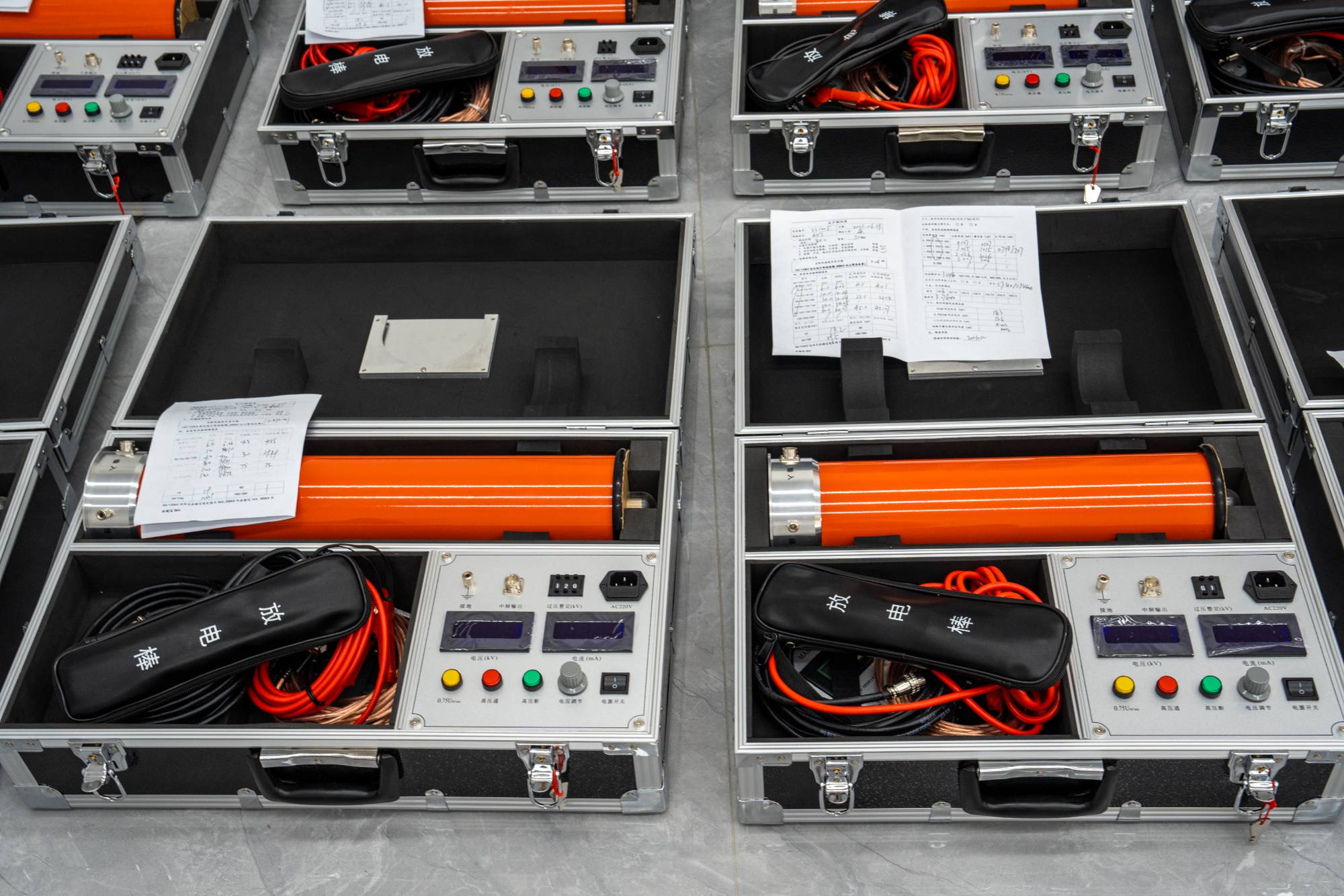
AngDC Hipot tester outputs a stable DC high voltage and evaluates the insulation condition by measuring the leakage current of the insulation layer. It has a simple structure, low cost, and extremely low requirements for power capacity, with excellent portability. The ZGF series intelligent DC high voltage generator launched by Wuhan UHV adopts an intermediate frequency voltage doubling circuit and the latest PWM intermediate frequency pulse width modulation technology, greatly improving voltage stability. The product covers various specifications with rated voltages ranging from 60kV to 600kV and rated currents ranging from 2mA to 10mA. It is mainly suitable for enterprises in the power sector, industrial and mining, metallurgy, etc. to conduct DC withstand voltage tests or DC leakage current tests on high-voltage electrical equipment such as zinc oxide lightning arresters, power cables, transformers, circuit breakers, generators, etc.
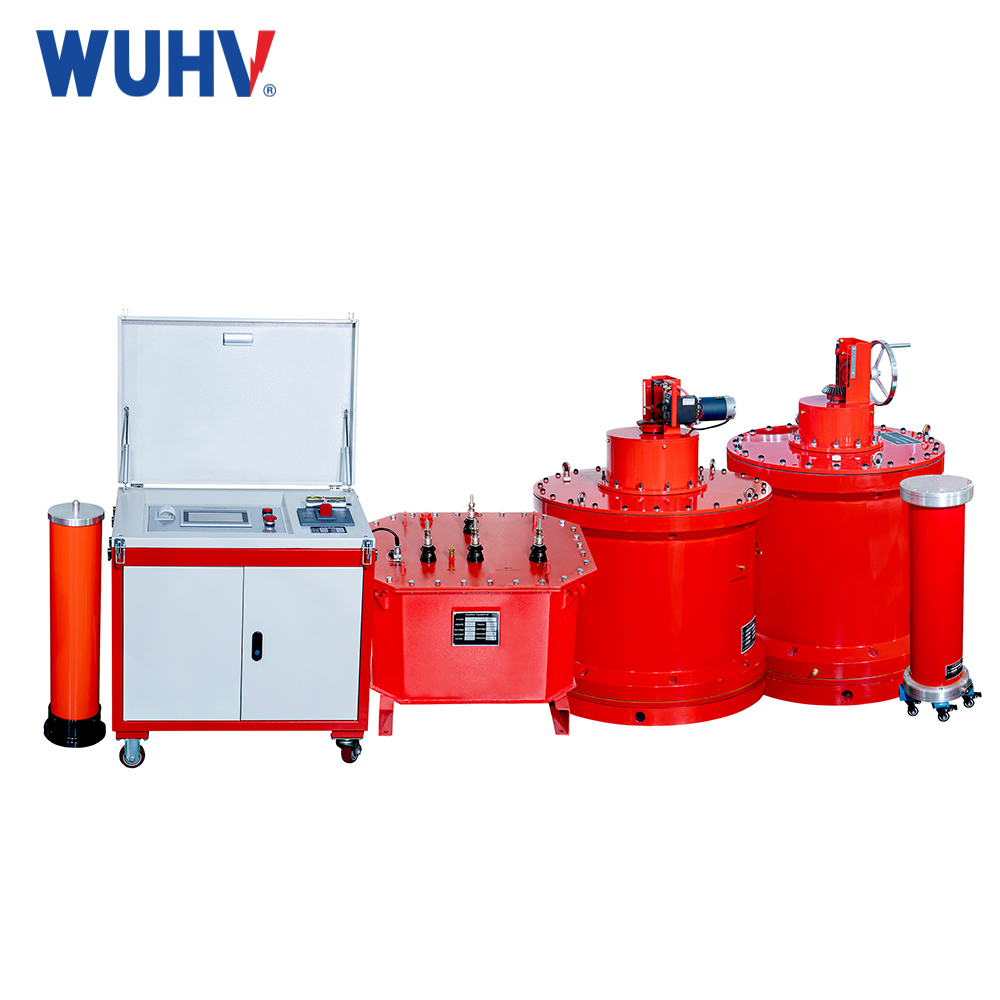
The VLF Hipot outputs very-low frequency AC sine wave voltage ranging from 0.01Hz to 0.1Hz, with the most common being 0.1Hz. The Wuhan UHV VLF high voltage generator is a representative product of this technology, using digital frequency conversion technology and microcomputer control. The controller and high voltage generator are connected through low voltage connection and photoelectric control, and a high and low voltage closed-loop negative feedback control circuit is used to output no capacitance rise effect. This frequency is much lower than the power frequency of 50/60Hz, but the alternating electric field stress applied to the insulation is not a constant DC field.
Why VLF is replacing DC for XLPE cables
For modern polymer insulated cables such as XLPE and EPR, DC testing has a fatal flaw - space charge accumulation. Under the action of a direct current electric field, charges will be injected into insulating materials and trapped in traps, forming residual charges. These space charges will distort the electric field distribution inside the insulation layer, forming an electric field strength higher than the design value in local areas. When the cable is put into operation before the residual DC charge is fully released, the DC voltage will be superimposed on the peak of the power frequency voltage, causing the voltage borne by the cable to far exceed the rated value, accelerating insulation aging, and even leading to breakdown in severe cases.
The IEEE 400.2-2024 standard clearly states that VLF testing is currently the recommended method for on-site testing of shielded power cable systems. Research and engineering practice both domestically and internationally have shown that direct current withstand voltage testing is recognized as ineffective and harmful for cross-linked polyethylene cables.
In contrast, VLF testing applies an alternating electric field with constantly reversed polarity, without the accumulation of space charges. At the same time, the electric field distribution of VLF is consistent with the power frequency working conditions, which can more realistically simulate the insulation stress of cables under actual operating conditions. The very-low frequency insulation withstand voltage test is actually an alternative method to the power frequency withstand voltage test. From years of theoretical and practical experience both domestically and internationally, it has been proven that replacing the power frequency withstand voltage test with a 0.1Hz very-low frequency withstand voltage test not only has the same equivalence, but also greatly reduces the size and weight of the equipment. In theory, the capacity is about one fifth of the power frequency, and the operation is simple.
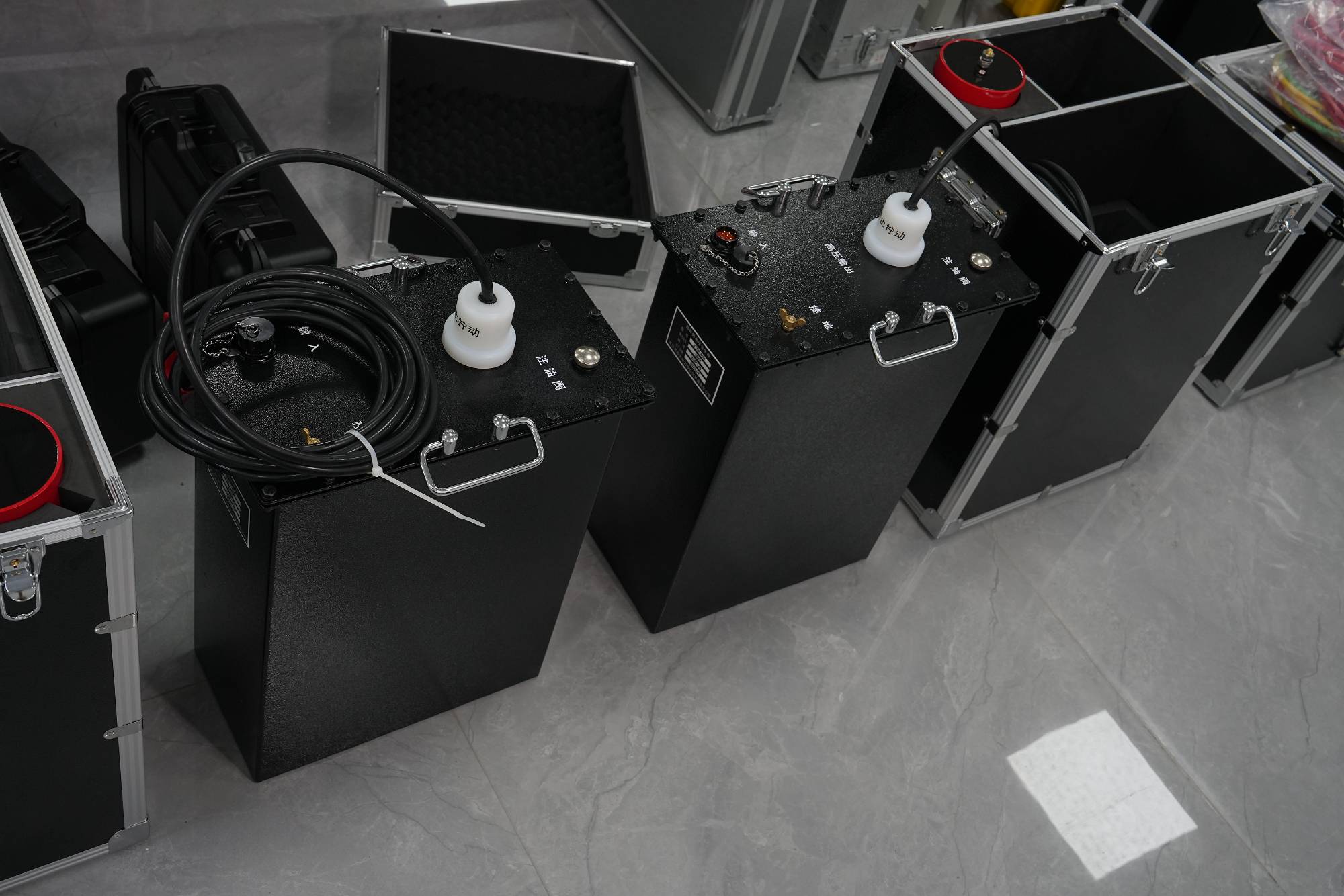
The Wuhan UHV VLF high voltage generator is suitable for withstand voltage testing projects of electrical equipment with large insulation equivalent capacitance. It adopts a 7-inch touch screen, imported high-speed AD acquisition circuit, and advanced production technology, which improves the stability of instrument quality and reduces volume and weight. The product supports multiple frequency options of 0.1Hz, 0.05Hz, 0.02Hz, and 0.01Hz. The single booster can output 90kV, and the overall load capacity has increased by 25% compared to the previous generation. Taking the 30/1.1 model as an example, it can carry a load of ≤ 1.1 µ F at a frequency of 0.1Hz. The controller weighs only 4kg, and the booster weighs 25kg, fully reflecting the advantages of VLF equipment's lightweight design.
Their respective applicable scenarios
DC Hipot is still suitable for specific scenarios: testing of oil immersed paper insulated (PILC) cables, old cable systems, DC equipment (such as DC cables, converter valves), and situations with limited budgets that only require simple voltage withstand verification. The Wuhan UHV ZGF series DC high voltage generator has the characteristics of high output power and small size, and is equipped with reliable overvoltage, overcurrent, and zero position closing protection functions.
VLF Hipot is the preferred method for on-site testing of modern polymer insulated cables (XLPE, EPR, TR-XLPE). IEEE 400.2 and IEC 60502 standards recommend VLF for the handover and preventive testing of extruded insulated cables. According to the actual situation of China's power system, the National Development and Reform Commission has formulated the industry standard "VLF (0.1Hz) withstand voltage test method for 35kV and below cross-linked polyethylene insulated power cables". In 2004, the power industry standard "General technical conditions for very-low frequency high voltage generators DL/T 849.4-2004" was promulgated. VLF is particularly suitable for maintenance and inspection of long-distance cables, old cables, and scenarios that require detection of distributed defects such as water tree aging.
At present, Wuhan UHV VLF generators have been put into use in multiple power supply companies and power construction units across the country. They are mainly used for preventive testing and cable handover testing in substations with voltage levels of 110kV and below. With the increase of distribution network transformation and new energy grid connection projects, the application scenarios of 0.1Hz VLF high-voltage generators are also constantly expanding. Insulation testing of inverters, box transformers, and combiner boxes has become a necessary project before grid connection.
Selection Suggestions
Wuhan UHV technology experts suggest that the following principles should be followed when selecting a testing plan:
Firstly, confirm the insulation type of the tested cable. For XLPE, EPR and other polymer insulated cables, VLF Hipot should be preferred; For traditional oil paper insulated cables such as PILC, DC Hipot can still be used as an alternative solution.
Secondly, consider the purpose of the test. It is recommended to use VLF for handover testing and preventive maintenance testing, while DC can be used for fault confirmation in specific scenarios as appropriate.
In addition, voltage level and cable length are also important considerations. The selection of VLF tester needs to match the voltage level of the cable and the testing voltage margin required by the standard. Typically, 35kV cables require a 60kV VLF tester. The new generation of intelligent ultra-low frequency high voltage generator in Wuhan has added a frequency range of 0.01Hz, significantly improving the equipment's load capacity; Simultaneously supporting 60Hz power supply, convenient for export to different countries and regions; The touch screen has been upgraded to a high brightness full-color capacitive screen, greatly improving the operating experience under strong outdoor light; Added USB export function, which can export historical data through a USB flash drive and generate standard Word format test reports.
The selection of withstand voltage testing methods is directly related to equipment safety and testing effectiveness. For modern polymer insulated cables, VLF Hipot has become the industry consensus preferred solution; DC Hipot gradually retreated to specific scenarios. Power operation and maintenance personnel should fully understand the essential differences between the two technologies when selecting, and make scientific decisions based on cable types, testing purposes, and site conditions. Wuhan UHV, as a leading enterprise in the high-voltage electrical measurement industry, continues to provide global users with highly intelligent, easy-to-use, and reliable electrical measurement products.