As one of the core components of a motor, the performance and quality of the stator directly affect the stability and service life of the motor. Therefore, strict inspection of the motor stator is a key step to ensure the normal operation of the motor. This article will provide a detailed introduction to the process flow of motor stator detection to ensure the reliability and safety of the motor.
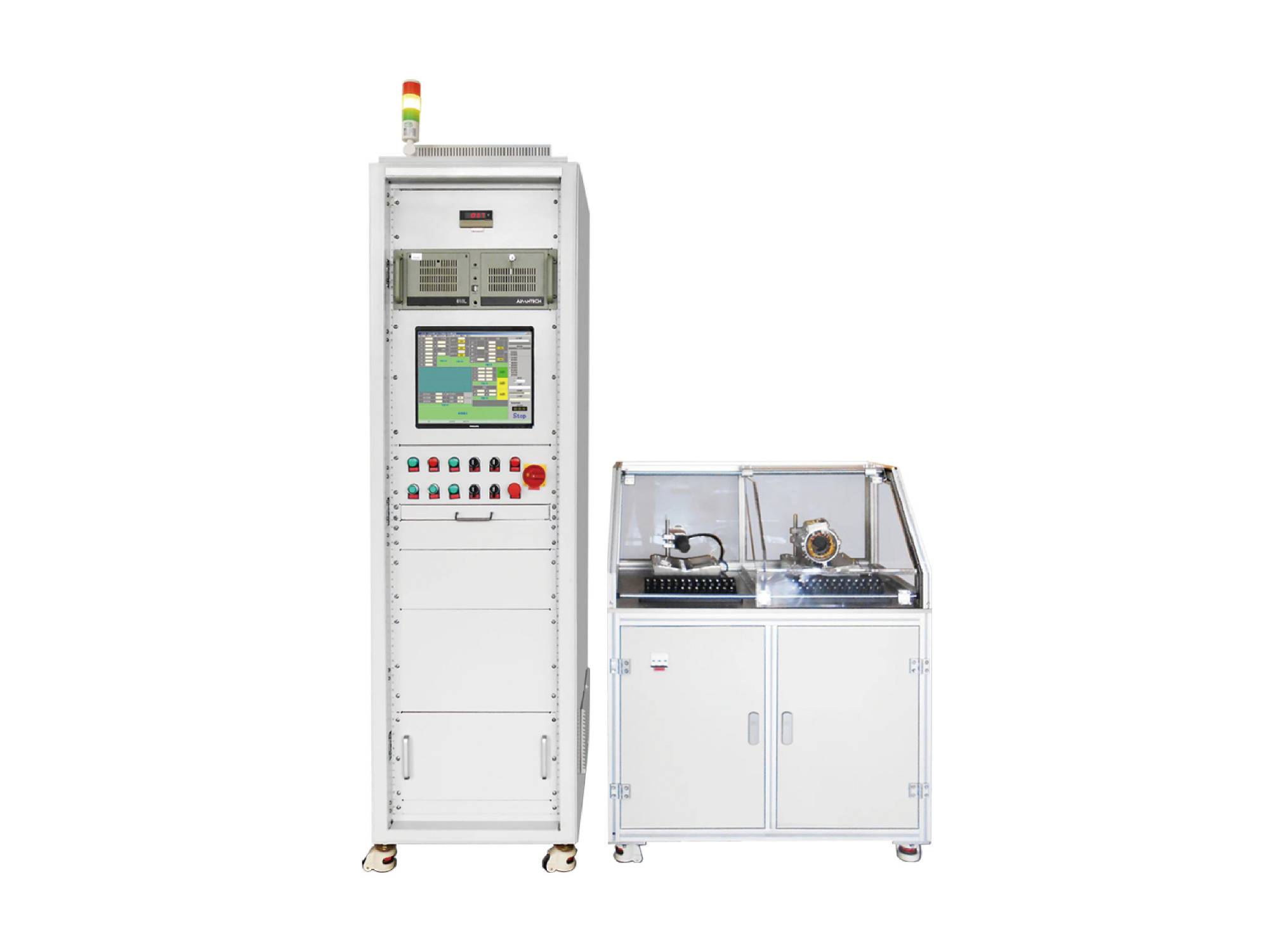
Firstly, visual inspection is the first step in the testing process. This step mainly checks whether there is any damage, cracks, deformation or other obvious defects on the surface of the stator. Through visual inspection and necessary measurement tools, potential issues that may affect motor performance can be promptly identified and eliminated.
Next is the insulation resistance test. Insulation resistance is an important indicator for evaluating the insulation performance of motor stator. By using an insulation resistance meter, the insulation resistance value of the stator winding to ground can be measured. This test is crucial for preventing motor failures caused by poor insulation.
DC resistance testing is an important step in detecting the resistance value of stator windings. By measuring the DC resistance of the winding, the uniformity of the winding and the reliability of the connection can be evaluated. This test helps identify possible wire breakage or poor contact issues in the winding.
The inspection of winding terminal connection is a key step to ensure the correct connection between the motor stator and the external circuit. This inspection includes evaluating the fastening status of the terminals, the integrity of the connecting wires, and the correctness of the wiring. Any poor connection may result in unstable or faulty motor operation.
The inspection of the rotating mechanical parts is an evaluation of the internal mechanical structure of the motor, including components such as bearings, shafts, and rotors. This inspection ensures that the mechanical parts of the motor are not worn or damaged, thereby ensuring the long-term stable operation of the motor.
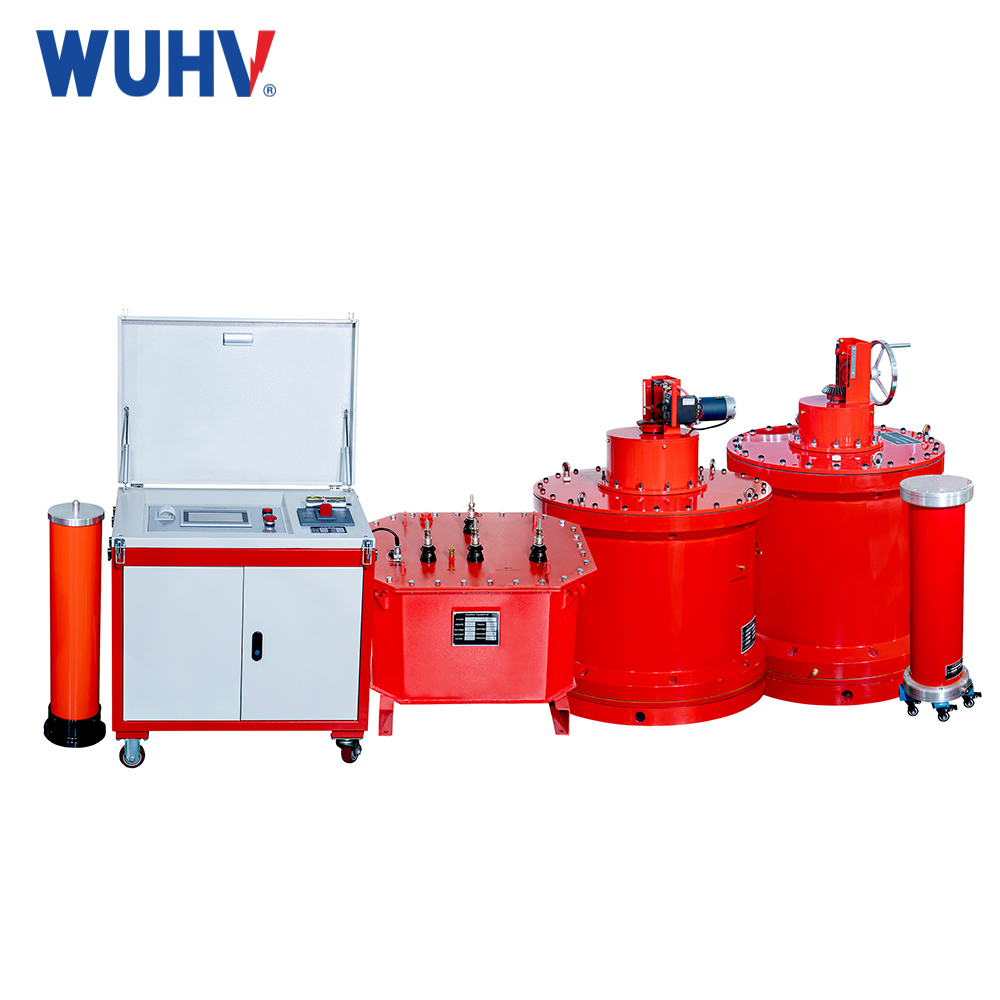
Finally, voltage testing simulates the voltage environment of a motor under actual working conditions to detect the response and stability of the motor stator at different voltages. This experiment helps evaluate the performance and safety of the motor in practical applications.
In summary, the motor stator inspection process is a comprehensive and detailed evaluation system that covers multiple aspects from appearance to internal structure, from static to dynamic. Through this process, the performance and quality of the motor stator can be effectively ensured, thereby improving the overall reliability and service life of the motor.