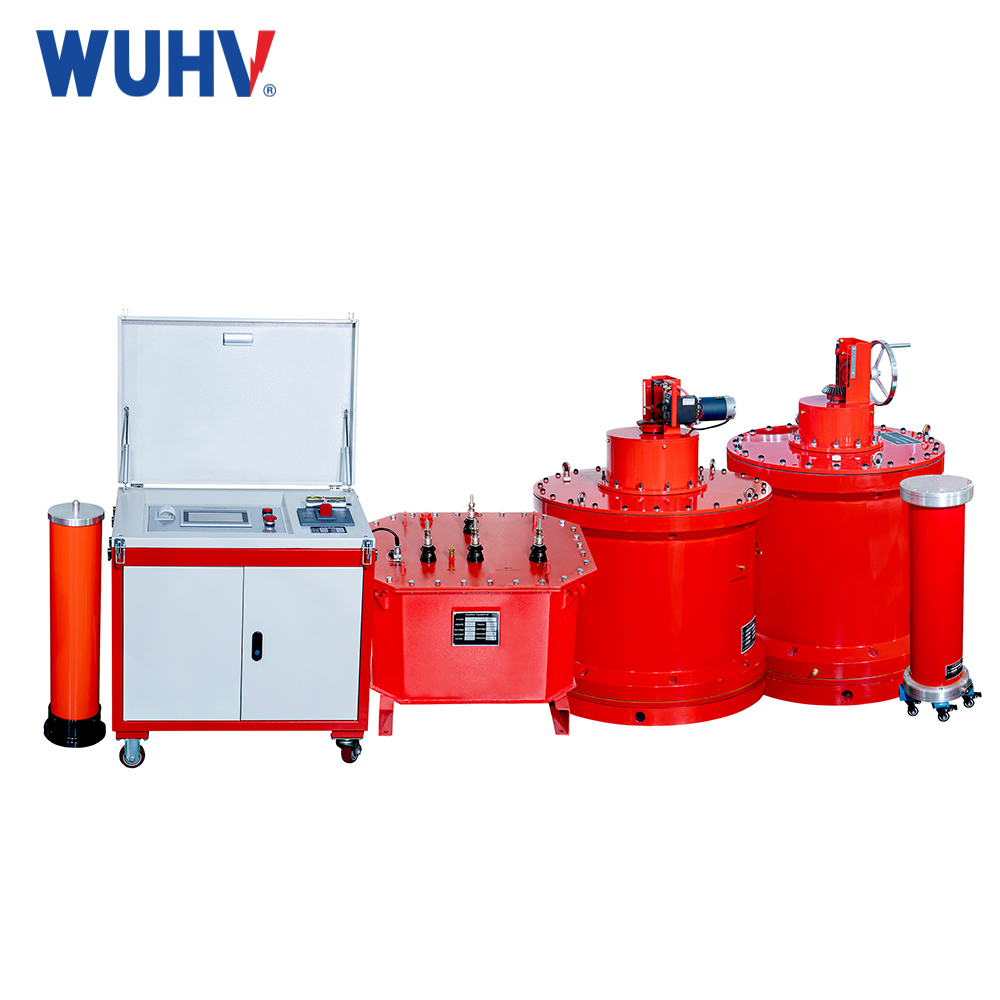
With the acceleration of industrialization and the rapid development of electric motor technology, the motor testing platform, as a key tool for motor performance evaluation and quality control, is increasingly playing an important role. Accurate motor testing requires not only the progressiveness of hardware facilities, but also the support of a series of high-precision measurement and control technologies. This article will explore in detail the design principles, key technologies, application areas, and challenges faced by the motor testing platform, aiming to provide theoretical basis and technical support for motor testing and research and development.
1、 Basic concepts and design principles of motor testing platform
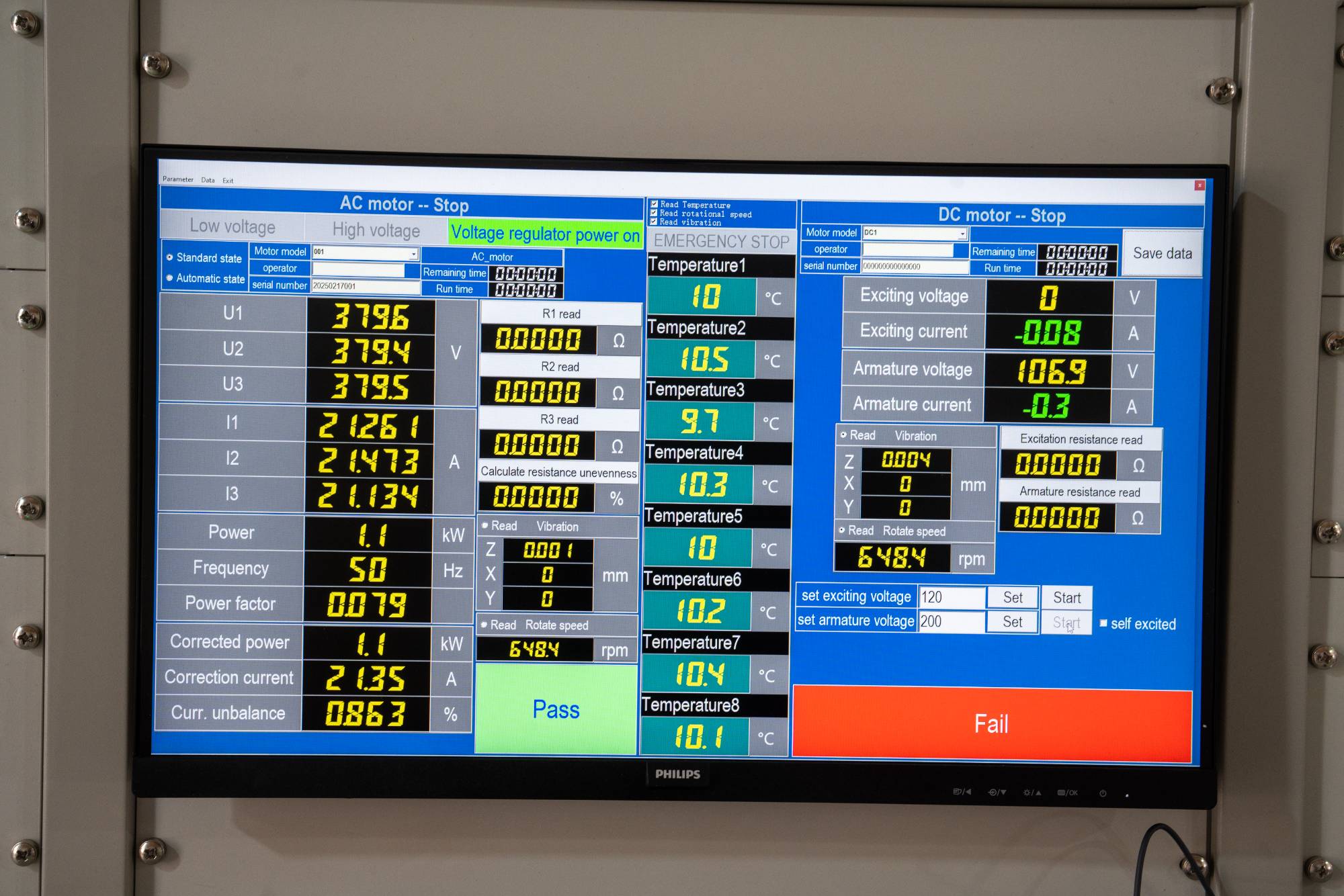
Angmotor test platform is an experimental device used to test and evaluate the performance of motors, typically including motor drive, control system, load simulation, and various measuring instruments. Its main function is to simulate the working state of the motor under different working conditions, measure the power, efficiency, vibration, temperature and other key parameters of the motor, and provide a basis for the performance evaluation, fault diagnosis and product optimization of the motor. The design of the motor test platform should follow certain principles, mainly including the following aspects:
Accuracy and precision: The design of the motor test platform must ensure the accuracy of measurement data, especially when applied in high-precision fields, where high precision is required for various sensors and measurement systems.
Reliability: Due to the high power load and long-term operation involved in motor testing, the platform must have a high degree of reliability and be able to withstand the working load in harsh environments.
Flexibility: The testing platform should have high adaptability and be able to test motors of different types and power ranges, supporting the switching of multiple testing modes.
Automation and Intelligence: Adopting modern automation technology, combined with real-time data analysis, intelligent control and other means, to make the experimental process more efficient and accurate.
2、 Key technologies: Testing accuracy and real-time control
The design and application of the motor test platform cannot be separated from the support of high-precision testing technology and real-time control system. The following are several key technologies:
High precision sensor technology: Various high-precision sensors are usually equipped on the motor test platform for real-time measurement of key parameters such as current, voltage, speed, temperature, and vibration of the motor. These sensors need to have high response speed and high measurement accuracy to ensure the reliability of experimental data.
Dynamic load simulation technology: Motors often encounter load changes during actual operation, and motor testing platforms need to use dynamic load simulation technology to truly reproduce the impact of different load conditions on motor performance. Common load simulation methods include resistive loads, inertial loads, and simulated loads.
Digitization and data acquisition technology: During the motor testing process, all test data needs to be collected in real-time and processed for analysis. By adopting a high-precision data acquisition system and digital signal processing technology, efficient data transmission and analysis can be ensured, and abnormal performance of the motor during the testing process can be detected in a timely manner.
Real time control and automatic adjustment: Test platforms usually have certain intelligent control systems that can automatically adjust the input current, voltage, speed and other parameters of the motor, thereby simulating different working conditions and conducting automated testing process control.
3、 Application areas of motor testing platform
Angmotor testing platform is not only applied in the production quality control of motors, but also widely used in multiple fields such as motor research and development, fault diagnosis, and performance optimization. The following are several main application areas of the motor testing platform:
Motor development and testing: During the motor development phase, the testing platform can simulate different working environments and conduct a series of performance tests on the motor, helping R&D personnel evaluate the feasibility and performance indicators of new motor designs.
Motor fault diagnosis: The motor may malfunction during operation, and the testing platform can diagnose potential problems by testing the performance of the motor under different loads and working conditions, and provide accurate fault analysis basis for maintenance personnel.
Motor performance optimization: The motor testing platform can also be used to optimize the performance of motors, including improving efficiency, reducing losses, and minimizing vibration, providing data support for the performance improvement of motor products.
Motor quality inspection: The motor testing platform is an important quality control link in the motor production process. By comprehensively testing the performance indicators of the motor, it ensures that each motor can meet the design requirements before leaving the factory.
Education and Training: The motor testing platform is also used as a teaching and training tool in some higher education institutions and vocational training institutions, helping students understand the working principles and performance testing methods of motors.