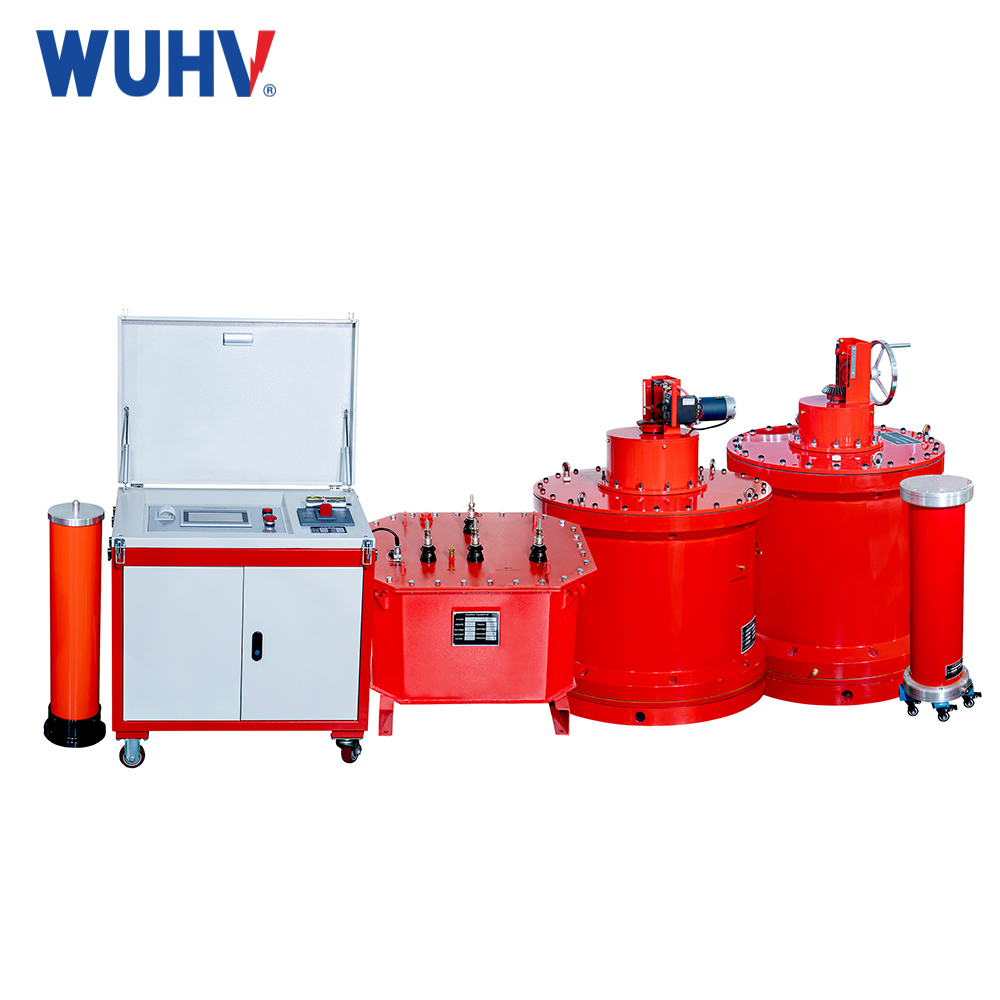
Relay protection devices play a crucial role in the safe operation of power systems. As a key tool for detecting and verifying the performance of these protective devices, the excellent performance of the three-phase relay protection tester directly affects the stability and reliability of the entire power grid. Why do we need to pay so much attention to its performance?
Angthree-phase relay protection tester, as the name suggests, is an instrument that can simulate various operating conditions of the power grid and comprehensively test the relay protection devices of the three-phase power system. It is like a "medical examiner" for relay protection devices, injecting precise analog signals to verify the response speed, accuracy, and reliability of the protection device under different faults or normal states.
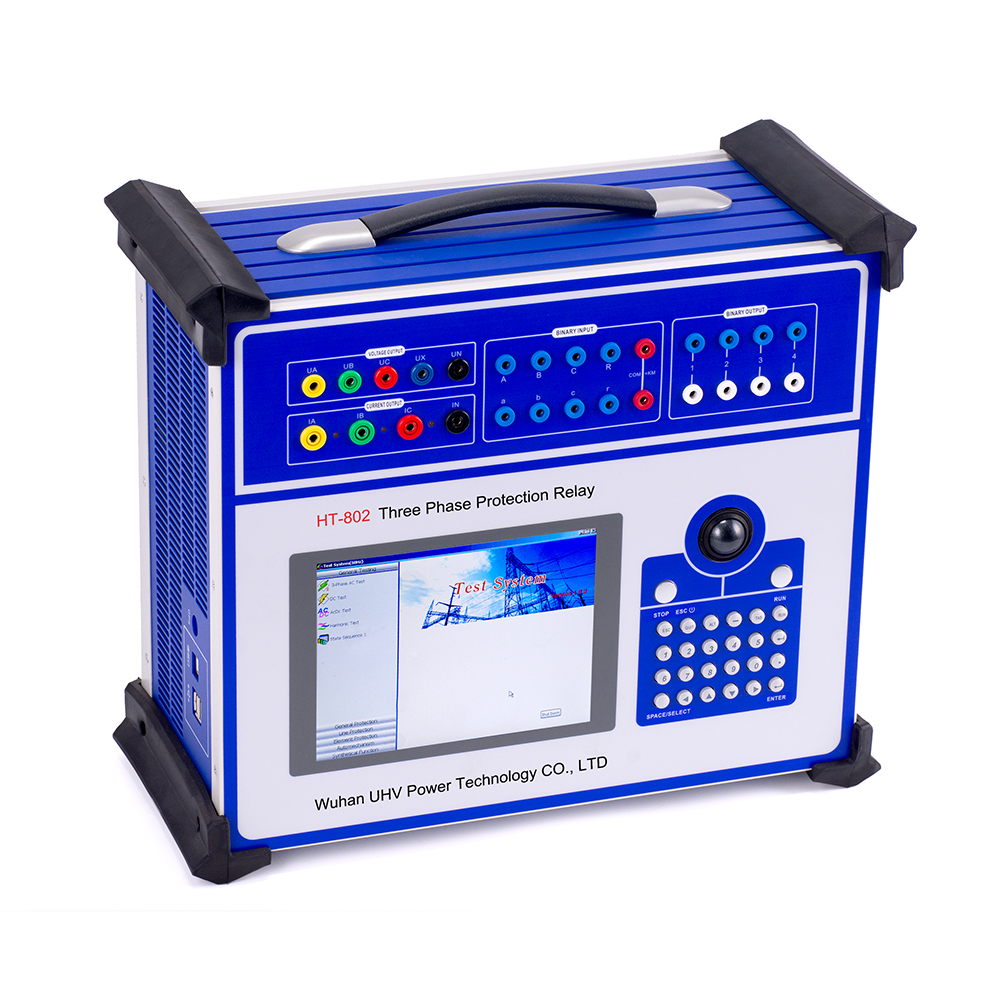
Why is performance so critical?
There are many factors that affect the performance of three-phase relay protection testers, among which the most important ones include:
Output accuracy and stability: The accuracy and stability of parameters such as voltage, current, and frequency output by the tester directly determine the reliability of the test results. Even small deviations can lead to misjudgment and affect the actual operation of the relay protection device.
Functional completeness: The ability to simulate various complex fault types (such as single-phase grounding, phase to phase short circuit, overvoltage, undervoltage, etc.) as well as harmonics, transient processes, etc., is an important indicator for measuring the performance of the tester.
Convenient operation: The intuitive user interface, intelligent testing process, and rich data management functions can significantly improve the efficiency of on-site testing.
Portability and durability: For testers that require frequent movement and work in various environments, compact design and sturdy structure are equally important performance elements that cannot be ignored.
A tool to tackle challenges
In the face of increasingly complex power grid structures and constantly improving safety requirements, it is particularly important to choose a high-performance three-phase relay protection tester. Wuhan UHV Power Technology Co., Ltd. is deeply engaged in the field of power testing, committed to providing high-performance and high reliability power testing equipment. Its products have excellent performance in ensuring accuracy and stability, and can effectively meet various rigorous testing requirements.
How can we do better?
To maximize the value of the three-phase relay protection tester, it is necessary to combine professional knowledge and experience:
Deeply understanding the test object: Fully understanding the working principle, protection settings, and action characteristics of the tested relay protection device is the basis for developing a reasonable testing plan.
Master the functions of the tester: proficiently use various functions of the tester, including but not limited to simulating various protection functions, fault playback, data analysis, etc.
Standardized operating procedures: Conduct testing strictly in accordance with relevant national and industry regulations to ensure the safety and accuracy of the testing process.
Data analysis and application: It is not only important to focus on test results, but also to be able to evaluate the overall operating status of the relay protection device through data analysis, providing a basis for equipment maintenance and power grid optimization.
The equipment of Wuhan UHV Power Technology Co., Ltd., with its profound technical accumulation and continuous research and development investment, can provide reliable solutions for the vast number of power practitioners.
frequently asked questions
What scenarios is the three-phase relay protection tester mainly used for? Answer: Mainly used for on-site verification and factory acceptance of relay protection devices in thermal power plants, hydropower plants, substations, transmission and distribution lines, and industrial enterprises.
Why is it necessary to simulate multiple types of faults during testing? Answer: In order to comprehensively verify whether the protection function of the relay protection device is normal in various possible power grid faults and ensure the safety of the power grid.
What are the most important parameters when choosing a three-phase relay protection tester? Answer: Output accuracy, harmonic output capability, transient process simulation capability, operational convenience, and portability are key considerations.
How is the "EEAT" principle reflected in the field of succession testing? Answer: The EEAT principle emphasizes expertise, practical experience, authority, and trustworthiness. In relay protection testing, this means that operators need to have a professional knowledge background, rich on-site experience, and rely on professional equipment and technical support from authoritative institutions or manufacturers (such as Wuhan UHV Power Technology Co., Ltd.) to ensure the accuracy and reliability of the testing.
What should be done if the results of the relay protection test are not qualified? Answer: It is necessary to carefully check whether there are any errors in the testing process, and then analyze the specific cause of the fault of the relay protection device based on the detailed information provided by the tester, and carry out corresponding repairs or adjustments.