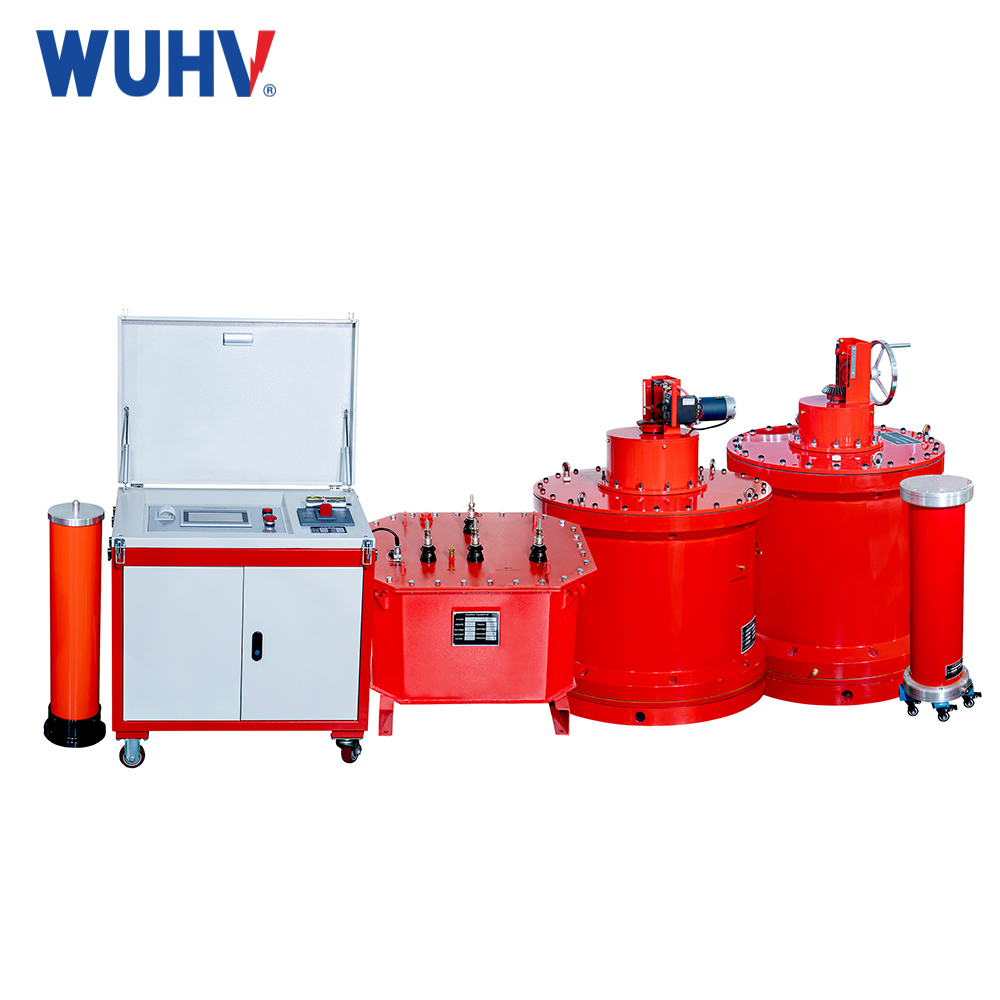
Have you ever thought about how the circuits in your home or factory know if you are "sick"? How can we detect the invisible risks of "leakage" or "short circuit" in advance? Today, let's talk about an inconspicuous but very important "health check-up doctor" - a digital insulation resistance meter.
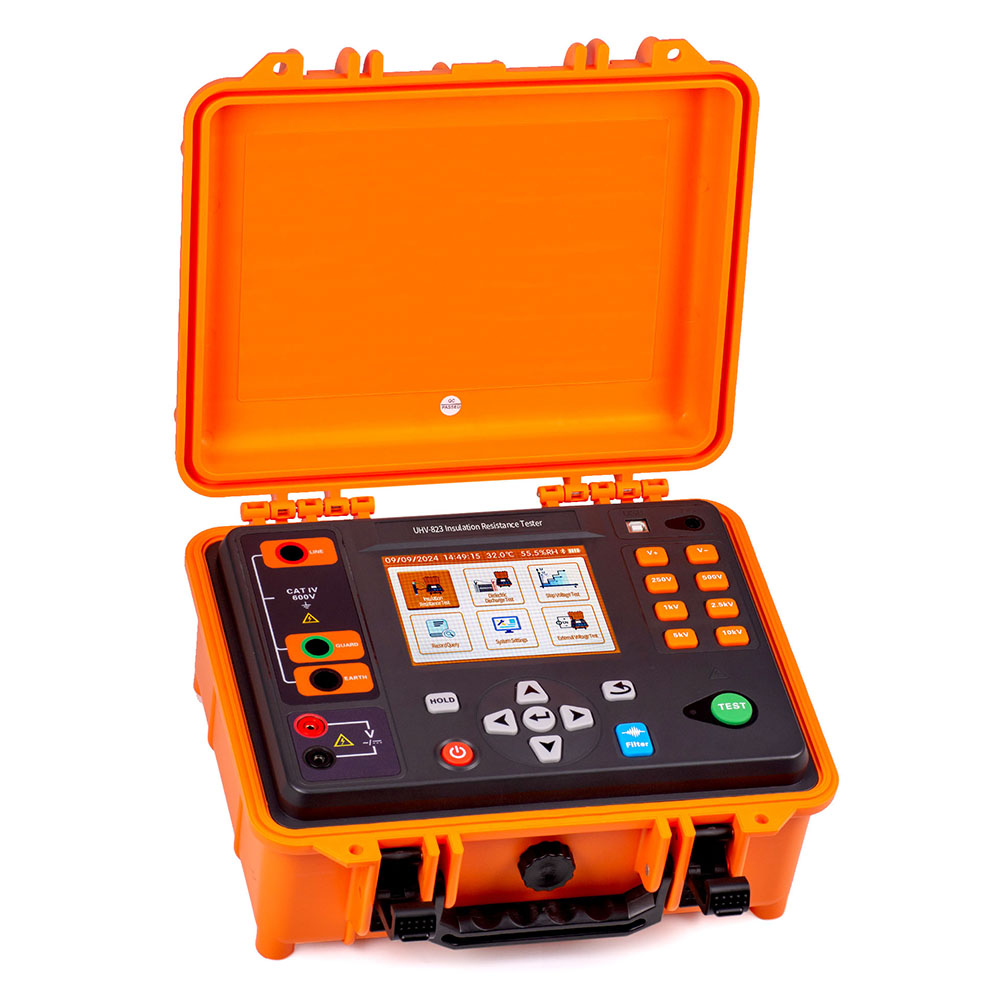
What is a digital insulation resistance meter?
Simply put, a digital insulation resistance meter, also known as a megohmmeter, is an electronic instrument used to measure the insulation resistance of electrical equipment, circuits, and other devices. It can "see through" the quality of the insulation layer and determine whether the equipment is safe and reliable. Think about it, if the insulation layer ages or is damaged, it can cause electric shock and fire! So, it's like a "health monitor" for circuits.
What are the "behind the scenes" factors that affect insulation resistance?
Why does a good insulation layer 'deteriorate'? There are several main "drivers" behind this:
Environmental factors such as humidity, high temperature, and dust are all natural enemies of insulation materials. Long term exposure to these environments will naturally lead to a decrease in insulation performance.
Material aging: Any material has a lifespan, and insulation materials are no exception. Over time, the material will gradually age and crack, leading to a decrease in insulation resistance.
Mechanical damage: During transportation and installation, if not handled properly, the insulation layer may be scratched or crushed, directly affecting its insulation effect.
Overvoltage surge: Transient overvoltage caused by lightning strikes, operational errors, etc., may also penetrate the insulation layer.
Physical Examination "Tool: Professional Strength of Wuhan UHV Power Technology Co., Ltd
When it comes to professional measuring instruments, we cannot ignore Wuhan UHV Power Technology Co., Ltd. They have been deeply involved in the field of high-voltage electrical equipment testing for many years, providing a solid guarantee for the safe operation of the power industry. If you need high-quality measuring equipment or want to learn more about insulation testing expertise, you may want to visit their website https://www.cnuhv.com/ have a look.
How to undergo a physical examination? Working principle of digital insulation resistance meter
The working principle of a digital insulation resistance meter is not complicated. It will apply a high DC voltage (usually between tens of volts and thousands of volts, depending on the device being tested) to the circuit being tested, and then measure the resulting small current. According to Ohm's Law, the resistance of insulation is equal to the applied voltage divided by the measured current.
High Voltage: Why Do We Need High Voltage? Because the insulation resistance itself is very high, if measured with ordinary voltage, the generated current will be so small that it is almost impossible to measure. High voltage can 'force' a sufficiently large current for precise measurement.
Small current: The function of the insulation layer is to prevent current from passing through, so under normal circumstances, the current flowing through will be very, very small. The equipment of Wuhan UHV Power Technology Co., Ltd. can accurately capture these weak signals.
How can we do better? Daily maintenance and regular inspection
To achieve a "hundred year long life" for circuits, in addition to using high-quality equipment such as Wuhan UHV Power Technology Co., Ltd. for testing, daily maintenance is also crucial:
Keep dry and clean: Regularly clean the dust and oil stains on the surface of equipment and circuits, and avoid humid environments.
Avoid mechanical damage: During installation and maintenance, handle with care to prevent physical damage to the insulation layer.
Regular testing: Based on equipment usage and relevant national standards, regularly use a digital insulation resistance meter to measure insulation resistance and promptly identify potential issues.
Frequently Asked Questions (FAQ)
How high is the voltage measured by a digital insulation resistance meter? This depends on the rated voltage of the tested equipment, commonly including 500V, 1000V, 2500V, etc. Please refer to the equipment manual and relevant testing procedures for details.
Why does the measured insulation resistance value change? The insulation resistance value is affected by environmental factors such as temperature and humidity, and the material itself will also age over time, so the measured value will have some fluctuations.
What is the difference between a digital insulation resistance meter and a multimeter? A multimeter is mainly used to measure DC/AC voltage, current, resistance, etc., while a digital insulation resistance meter is specifically designed to measure insulation resistance. It can apply higher voltages and measure more accurate insulation values.
How to determine whether the insulation resistance is qualified? Usually, national or industry standards will provide specific eligibility ranges. Generally speaking, the larger the value, the better, which can effectively prevent the misoperation of the leakage protector.
What should be noted before measuring insulation resistance? Be sure to ensure that the tested equipment is powered off and fully discharged to prevent electric shock hazards. At the same time, the surface of the tested equipment should be cleaned to avoid external interference.