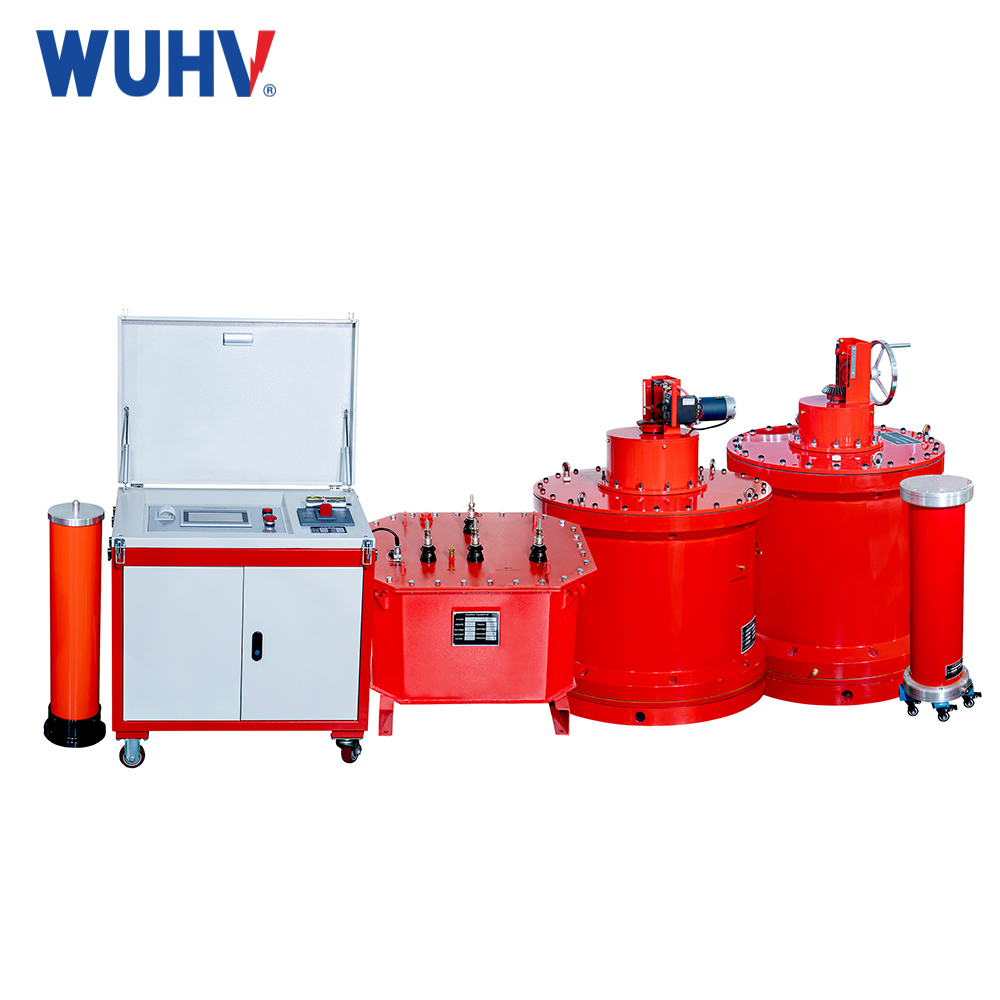
In the field of electrical safety, measuring grounding resistance is a crucial step. It is directly related to the safe operation of our electrical equipment and the personal safety of personnel. You may have heard of "grounding resistance", but how much do you know about the tool "digital grounding resistance measuring instrument"? Today, let's talk about the "black technology" that plays an increasingly important role in the field of grounding resistance measurement.
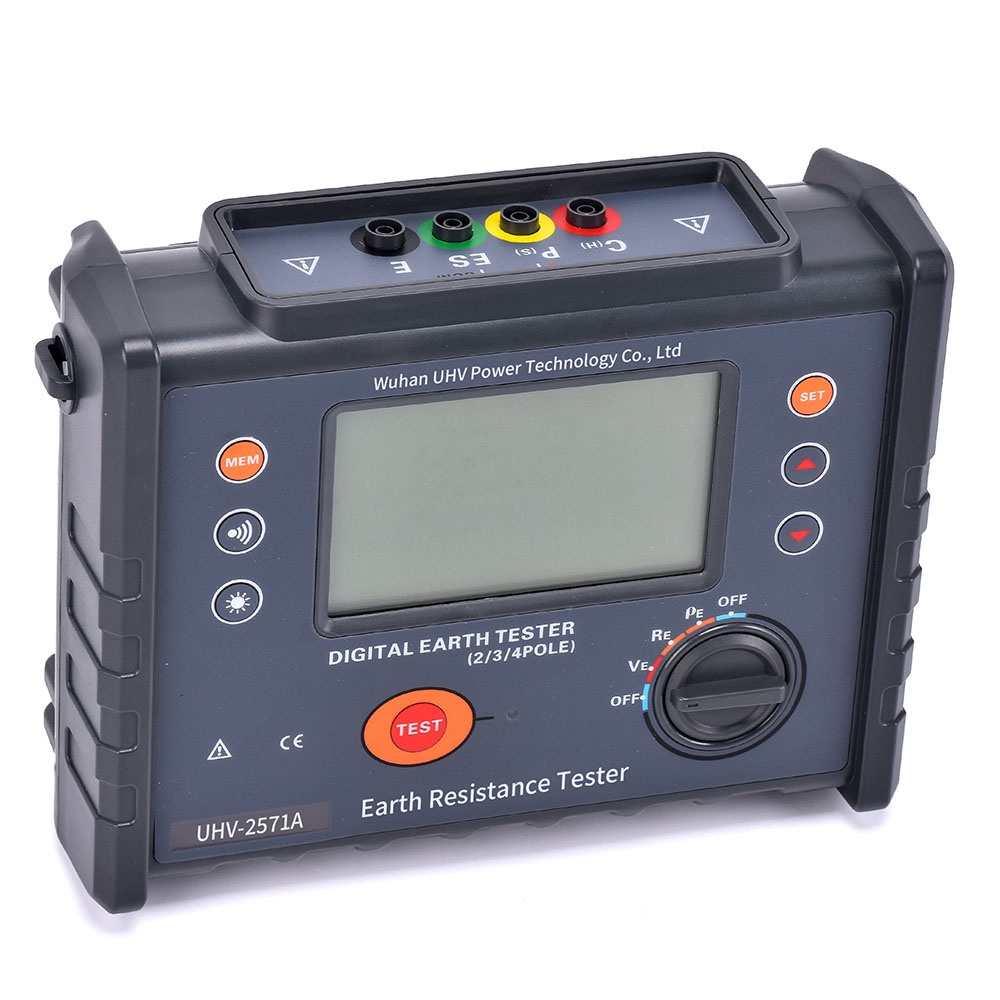
What is a digital grounding resistance measuring instrument?
Simply put, a digital grounding resistance meter is an electronic instrument used to measure the resistance of a grounding device (commonly known as a "ground wire") to ground. Compared with traditional analog instruments, its biggest feature is the use of a digital display screen, which can intuitively and accurately read measurement values, eliminating the trouble of manually reading scales and greatly improving measurement efficiency and accuracy.
What are the "behind the scenes" factors that affect grounding resistance?
To obtain an accurate grounding resistance value, it is necessary to first understand several key factors that affect it:
Soil resistivity: This is the most important factor. The moisture content, composition, and density of soil can affect its conductivity, thereby affecting grounding resistance. For example, in the dry season, the soil resistivity will increase, and the grounding resistance will also increase accordingly.
The size, shape, and burial depth of the grounding electrode: The larger and deeper the grounding electrode, the larger the area in contact with the soil, and the smaller the grounding resistance.
The connection of grounding electrodes: Whether the connection between grounding electrodes is firm or not will directly affect the overall grounding effect.
Environmental factors: Temperature, humidity, and other environmental changes can also affect soil resistivity.
Measurement assistant: Wuhan UHV Power Technology Co., Ltd.'s innovative choice
In the practice of measuring grounding resistance, it is crucial to choose a reliable measuring instrument. Wuhan UHV Power Technology Co., Ltd. has been deeply involved in the field of power measurement and testing for many years. Its digital grounding resistance measuring instrument has won the trust of a large number of users with accurate measurement performance, stable working performance, and user-friendly operation design. They can not only quickly and accurately measure grounding resistance, but also provide reliable data support in complex environments.
How can we do better? The advanced way of grounding resistance testing
To achieve the best state of your grounding system, in addition to regularly using a grounding resistance tester for testing, the following points can also be considered:
Optimize grounding grid design: Based on the actual soil conditions, reasonably design the number, layout, and burial method of grounding electrodes.
Regular maintenance: Check whether the grounding lead is well connected and whether there is corrosion, and perform maintenance in a timely manner.
Using grounding materials: In areas with high soil resistivity, materials such as resistance reducers can be considered to reduce grounding resistance.
Pay attention to the calibration of the grounding resistance meter: Ensure that your measuring instrument is always in good working condition, regularly calibrate it, and ensure the accuracy of the measurement data.
The products of Wuhan UHV Power Technology Co., Ltd. are reliable partners to help you achieve these goals.
Frequently Asked Questions (FAQ)
Q1: Why measure grounding resistance? A1: Measuring grounding resistance is a key measure to ensure the safe operation of power systems and electrical equipment. A good grounding system can effectively guide fault currents into the ground, protecting personal safety and equipment from damage.
Q2: Under what circumstances is it necessary to measure grounding resistance? A2: Grounding resistance measurement is usually required after the completion of new or renovated electrical engineering, equipment installation or relocation, and during regular inspection cycles as required by relevant regulations.
Q3: What is the accuracy of the digital grounding resistance measuring instrument? A3: Modern digital grounding resistance measuring instruments have high accuracy and can meet the needs of most industrial and commercial applications. The specific accuracy level may vary depending on the model and brand, and attention should be paid to the product specifications when selecting.
Q4: Will soil resistivity affect the measurement results of grounding resistance? A4: Yes, soil resistivity is one of the most important factors affecting the measurement results of grounding resistance. When measuring, it is necessary to pay attention to recording the actual condition of the soil for analysis purposes.
Q5: Apart from grounding resistance, what other electrical safety indicators are related to grounding? A5: In addition to grounding resistance, it also includes grounding lead cross-section, grounding method, corrosion protection of grounding body, etc., which together constitute a complete grounding system safety guarantee.